2026-11-12 ·
Understanding Water Damage Restoration Costs in Pasadena, TX
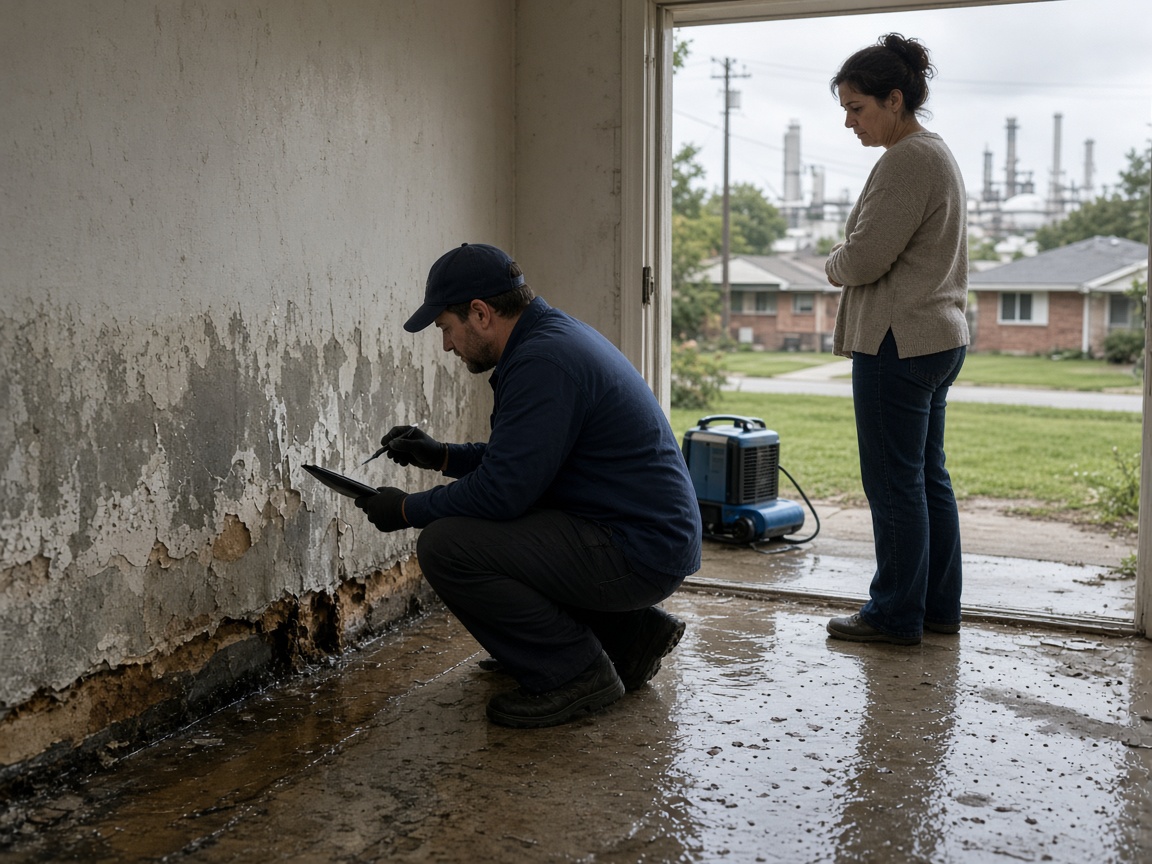
Water damage restoration costs in Pasadena, TX typically range from $1,500 to $7,500 for most residential incidents, though this can vary significantly based on the severity and scope of the damage. Minor issues like a small overflow in a bathroom might fall on the lower end, while extensive flooding from a burst pipe or a significant storm surge affecting multiple rooms could easily push costs beyond $10,000, sometimes even exceeding $20,000. The humid subtropical climate of Harris County, with its hot, humid summers, means that rapid response is crucial to prevent secondary damage like mold, which can add substantially to the overall expense. Understanding the factors that contribute to these costs can help Pasadena homeowners better prepare and make informed decisions when facing water intrusion in their properties.
Understanding Water Categories and Their Impact on Cost
The type of water involved is one of the most critical factors influencing restoration costs. We categorize water into three types, each with escalating risks and, consequently, higher remediation expenses. Category 1 water, often called 'clean water,' originates from a sanitary source like a burst supply line, overflowing sink, or a malfunctioning appliance. While less hazardous initially, it can quickly degrade if left untreated, especially in Pasadena's warm, humid environment. Restoration for Category 1 water typically involves water extraction, drying, and sanitization, often costing less than Category 2 or Category 3 scenarios. However, even clean water can cause significant damage to materials if not addressed promptly, leading to costly structural drying.
Category 2 water, or 'gray water,' contains contaminants that could cause illness if ingested. This includes water from a washing machine overflow, dishwasher discharge, or a toilet bowl (without solid waste). The presence of detergents, chemicals, or biological agents means that not only do we need to extract the water and dry the area, but also apply more aggressive antimicrobial treatments. Materials saturated with gray water, especially porous items, often require more extensive cleaning or even removal and replacement, driving up labor and material costs. In older homes common in areas like Golden Acres or Downtown Pasadena, the absorbent nature of original building materials can make gray water cleanup particularly challenging.
Category 3 water, known as 'black water,' is grossly contaminated and highly unsanitary. This category includes sewage backups, floodwaters from rivers like Armand Bayou, or storm surge from Galveston Bay. Black water contains pathogenic agents, bacteria, and viruses, posing severe health risks. Restoration for Category 3 water involves extensive demolition of contaminated porous materials (drywall, insulation, carpeting), thorough disinfection of non-porous surfaces, and specialized disposal of hazardous waste. This is the most expensive type of water damage to remediate, often requiring personal protective equipment (PPE) and specialized cleaning agents. For more on dealing with this, see our article on Sewage Backup Cleanup.
Extent of Damage and Affected Materials
The total area affected by water damage directly correlates with the overall cost. A small leak under a sink impacting only a few square feet of cabinetry will naturally cost far less than a flood affecting multiple rooms, or even an entire level of a home. We assess the square footage of affected flooring, walls, and ceilings, as well as the depth of water penetration into structural components. In Pasadena's older housing stock, particularly in neighborhoods like Red Bluff, homes might have original hardwood floors or plaster walls that can be more challenging to dry without causing further damage, potentially increasing drying times and costs.
Different materials respond to water differently, impacting the scope and cost of restoration. Porous materials like carpet, padding, drywall, insulation, and particleboard often absorb water quickly and are difficult to dry thoroughly, making them susceptible to mold growth. These materials frequently require removal and replacement, which adds to both labor and material expenses. Non-porous materials like tile, concrete, metal, and some plastics can often be cleaned, dried, and salvaged, reducing replacement costs. However, even non-porous surfaces can harbor moisture underneath, especially if the subfloor is affected. Our team carefully inspects all materials to determine the most effective and cost-efficient approach.
The presence of contents within the affected area also plays a role. Furniture, electronics, personal belongings, and other items need to be moved, dried, cleaned, and sometimes stored off-site. The labor involved in this content manipulation, along with any specialized cleaning or restoration required for salvageable items, contributes to the overall project cost. For instance, if a home near Strawberry Park experiences a flood, the contents of a living room might need extensive cleaning and drying, adding to the total. This process is a crucial part of comprehensive Flood Cleanup.
Structural Drying and Equipment Needs
Effective structural drying is paramount to preventing secondary damage like mold and ensuring the long-term integrity of your home. The cost of structural drying is primarily driven by the amount and type of equipment needed, as well as the duration of the drying process. In Pasadena's humid climate, we often need to run specialized drying equipment for longer periods than in drier regions. This equipment includes high-capacity air movers, industrial-grade dehumidifiers, and sometimes specialized injectidry systems for walls and cavities. The number of pieces of equipment and the daily rental or operational costs factor into the overall price.
The duration of the drying process can range from 3 to 7 days for typical water damage, but can extend to 10 days or more for severe cases or in highly saturated environments. This depends on factors like the initial moisture content, the type of building materials, and the ambient humidity. For example, a home in Armand Bayou with significant water intrusion into its foundation or crawl space might require more intensive and prolonged drying efforts. Each day the equipment runs adds to the cost, making efficient and strategic deployment crucial. Our technicians regularly monitor moisture levels to ensure optimal drying and minimize unnecessary equipment usage.