2026-11-12 ·
DIY Tips for Minor Leak Detection in Your Pasadena Home
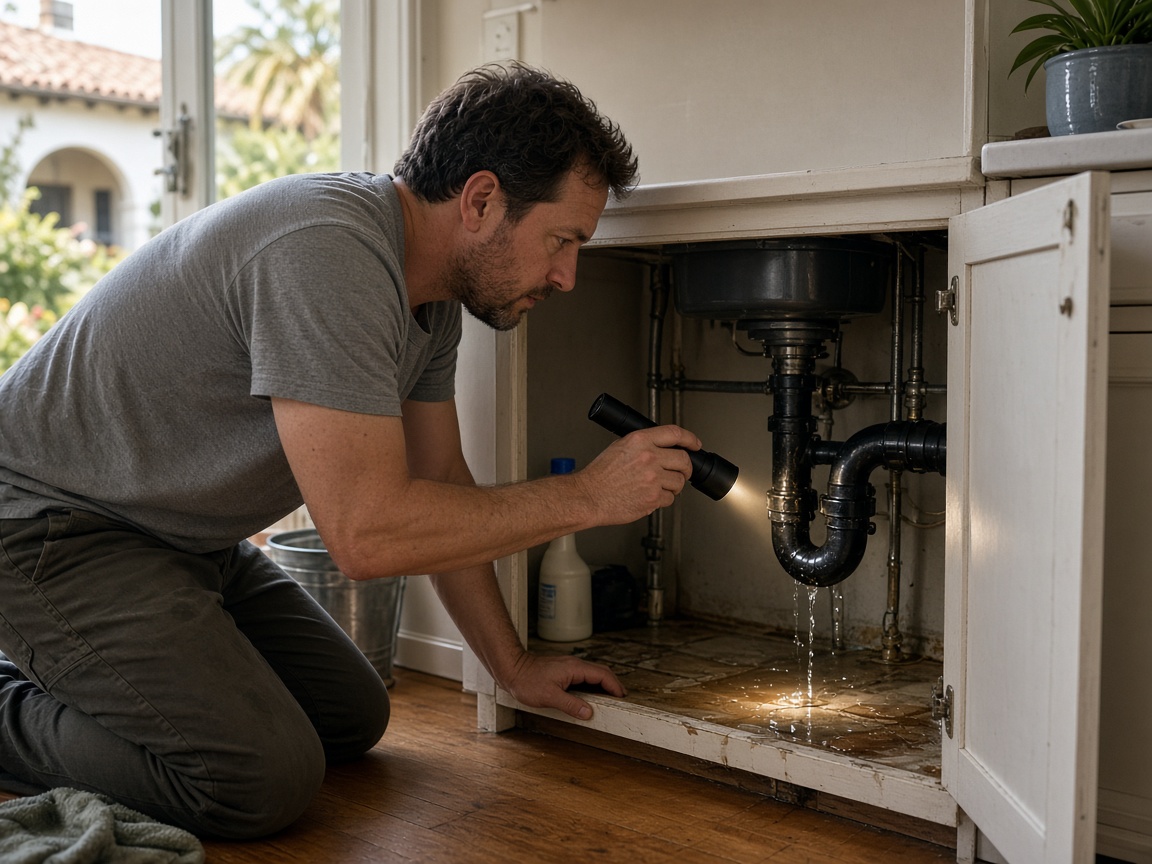
Detecting minor water leaks in your Pasadena home can often be a straightforward DIY task, potentially saving you thousands of dollars in repairs if caught early. Homeowners can typically identify the most common small leaks, such as those under sinks, around toilets, or from appliance connections, by performing regular visual inspections and monitoring their water meter. While a professional water damage restoration service is crucial for larger issues, understanding how to spot the early warning signs of a minor leak empowers you to act quickly and prevent extensive damage to your property, especially given Pasadena's humid subtropical climate, which can exacerbate moisture problems if left unchecked. Early detection is key to preventing the kind of structural damage and mold growth that often plague homes in areas like Downtown Pasadena and Golden Acres.
Understanding Common Leak Locations in Pasadena Homes
Many homes across Harris County, from Red Bluff to Armand Bayou, share similar vulnerabilities when it comes to minor water leaks. The hot, humid summers and mild winters here mean that plumbing systems are constantly in use, leading to wear and tear. Common culprits for leaks include aging pipes, loose connections, and failing seals. For instance, the older housing stock found in some parts of Pasadena often features original plumbing that might be 30–50 years old, making it more susceptible to pinhole leaks or corroded joints. Kitchens and bathrooms are prime locations, with leaks often originating from under sinks, around toilet bases, or from shower pan failures. Appliances like water heaters, washing machines, and dishwashers are also frequent sources, especially as their hoses and internal components age. Even a small drip from a washing machine hose can, over time, saturate flooring and lead to significant issues, requiring professional water extraction if not addressed promptly.
Visual Inspection: Your First Line of Defense
The simplest and most effective way to detect minor leaks is through routine visual inspections. Make it a habit to regularly check areas prone to moisture. In kitchens, look inside the cabinet under your sink for any dampness, discoloration, or a musty odor. Pay attention to the base of your dishwasher and refrigerator. In bathrooms, inspect around the base of the toilet for puddles or staining on the floor. Check grout lines in showers and bathtubs for cracks that could allow water to seep through. Don't forget to look at ceilings and walls for any signs of water stains, bubbling paint, or warped drywall – these often indicate a leak from an upstairs bathroom or attic plumbing. Even a small, persistent drip can cause significant deterioration of building materials over weeks or months, especially in a city like Pasadena where the humidity can slow down natural drying processes.
The Water Meter Test: A Silent Leak Detector
One of the most reliable methods for detecting hidden leaks, particularly those not immediately visible, is the water meter test. This simple procedure can tell you if water is flowing through your pipes when no fixtures are in use. First, ensure that no water is being used inside or outside your home – turn off all faucets, washing machines, dishwashers, and irrigation systems. Locate your water meter, typically found near the street or curb. Note the current reading or observe the small leak indicator dial, often a red triangle or a tiny silver wheel. If this indicator is still moving, or if the meter reading changes after 15–30 minutes, you likely have a leak somewhere in your system. This method is particularly useful for identifying leaks in supply lines or in less accessible areas like crawl spaces, which are common in many Pasadena homes. If the meter test indicates a leak, but you can't find the source, it might be time to consider professional assistance before it escalates into a situation requiring emergency water removal.
Checking Appliances and Fixtures for Drips
Appliances and fixtures are frequent sources of minor leaks that can often be fixed with minimal effort. For toilets, add a few drops of food coloring to the tank. If, after 15–20 minutes, you see the color appear in the bowl without flushing, you have a silent leak from the flapper valve. These are inexpensive to replace. For faucets, check for drips from the spout or around the base. A loose washer or O-ring is usually the culprit. Water heaters, especially those 8–12 years old, can develop slow leaks from the pressure relief valve, drain valve, or even the tank itself. Check for rust or puddles around the base. In Pasadena's climate, a leaking water heater in a garage can quickly lead to mold growth if not addressed. Similarly, inspect the hoses connected to your washing machine and dishwasher for cracks, bulges, or drips. These rubber hoses typically have a lifespan of 3–5 years and should be replaced with braided stainless steel hoses for better durability. Addressing these small drips can prevent a much larger problem down the line, such as a burst pipe, which could require significant burst pipe cleanup.
Addressing Outdoor Leaks and Irrigation Systems
While the focus is often on indoor leaks, don't overlook your outdoor plumbing. Given the lush landscaping common in Pasadena, especially in neighborhoods near Armand Bayou Nature Center, irrigation systems are prevalent and can be a significant source of water waste and potential property damage. Check sprinkler heads for breaks or misalignment, and inspect visible garden hoses for leaks. An underground irrigation leak can saturate soil near your home's foundation, potentially leading to costly foundation issues over time. Also, inspect your outdoor faucets (hose bibs) for drips, especially after the mild Pasadena winters when freezing temperatures, though rare, can sometimes cause minor damage. A continuously running toilet or a constantly refilling pool can also indicate a leak. If you suspect an outdoor leak, the water meter test (mentioned above) will still be effective, as it measures all water usage on your property. For more information on preventing water damage from external sources, you might find our article on Protecting Your Pasadena Home from Galveston Bay Storm Surge helpful.